 HarleyMotorcycleParts
Heritage Classic Fuel Line: Carb FLSTC, EFI FLSTC and FLHC
Leave the bags alone. Sort out which of three fuel setups you have instead.
Heritage owners who have done shocks or other rear-end work get into the habit of unbolting the bags first. On this job, leave them on. The bags are nowhere near the fuel line, so there is no reason to take them off and risk marking them. What deserves your attention is the fuel setup, because a Heritage can be one of three different bikes, and each takes a different path through this page.
Tools
- Fuel-rated hose and proper clamps (carb only)
- Year-matched formed line and O-rings (EFI only)
- Quick-connect release tool if needed
- Approved closed can
- Extinguisher for flammable liquids
- Service manual
Sort yours into one of three boxes
Box one: an FLSTC through 2006 with a petcock under the tank and a hose running to a carburettor. Go to the low-pressure steps.
Box two: an FLSTC with a quick-connect fitting at the tank, a throttle body at the engine, and a short pump hum as the key turns on. That is injected, on the older chassis, and it takes a line from the FXST/FLST 2001-17 span. The carb and EFI years overlap, so look at the bike rather than going by the date.
Box three: an FLHC, which is the 2018-up design. Injected, always, and the catalogue line is the 2018-23 one. Newer than that, confirm before ordering. Routing on this chassis should be taken from its own manual, since little carries across.
What every box has in common
Whichever box you are in, gasoline ignites more easily than most people expect. Begin only after the bike has been parked long enough to be cold to the touch. Pick a place with free-flowing air. Keep cigarettes, heaters, pilot flames, grinders and spark-prone lights out of the area.
An extinguisher made for flammable liquids should stand within easy reach, and a sealed container meant for fuel should be open only as long as you need it. Spilled rags go outside to dry, never into a closed bin.
Battery negative comes off in all three cases, but on injected bikes only after the pressure work below.
Choosing the hose for box one
Hose is not simply hose. What you want is sold and marked as fuel line, and it should say it tolerates ethanol blends. Heater hose, garden hose and clear plastic tube from a hardware shelf do not qualify, however well they seem to fit the spigots.
Check what is on the bike now while you are here. A long-owned Heritage may be wearing something a previous owner picked up in a hurry. If the old piece has no fuel marking at all, then the job you are doing was overdue.
Low-pressure route (box one)
Shut off the petcock, then disconnect the battery. With rags and the can below, loosen a clamp and pull the hose free, letting it drain before you move to the other end.
Take the old hose to the store or match its length carefully. The new piece must be rated for fuel and ethanol tolerant. Too long and it kinks, too short and it strains. Proper clamps go on both ends, and it needs to run clear of engine and exhaust heat.
Open the petcock and look at both joints over several minutes before you touch the starter. Change any O-ring that you happened to open up.
High-pressure route (boxes two and three)
Before any tool touches the line, carry out the pressure relief given in your service manual. The pump fuse or its connector comes out, the engine runs or cranks until it stops, and the pump remains disconnected from then on. Once done, disconnect the battery negative.
If the run warmed things up, take a break. Then, if your manual calls for moving or raising the tank, do it now, using padding and solid support.
Fold a rag under the tank fitting. Move the sleeve with the push-and-pull the manual describes, using a tool if it needs one, and take the line off. Close the port with a clean plug.
Pull the old line, recording its path in photos. Check that the new line has identical bends and ends. Fit new O-rings to each fitting, since they are single-use, and old ones are the normal cause of a leak here.
Engage each fitting until it locks, and try to pull it apart by hand. It should not shift. Replace the clips along the original path.
Plain hose with a clamp has its place, and that place is box one. Fitted to a box two or box three line, it is a fire waiting for a warm day.
Passing the test
Refit the pump power, then battery. Turn on the key, but do not crank. Check each joint while the pump pressurises, turn off, wipe and do it again. No starting until the joints stay dry after several cycles. Then run the engine and inspect at idle, then warm.
Before your first passenger ride, look once more. If the fault turns out to be lines on the pump module, that is the subject of our Fuel Filter and Fuel System Service guide.
Mistakes that cost money
- Removing the bags out of habit.
- Dating the bike to work out carb or EFI, instead of looking.
- Using a 2001-17 line on an FLHC.
- Putting hose on a pressure line because it worked on the old carb bike.
- Throwing fuel-soaked rags in a closed bin.
When to stop
Send it to a shop if your bike does not fit any of the three boxes, if a previous owner has altered the system, if a port or sleeve is damaged, or if any joint keeps seeping.
Parts for this job
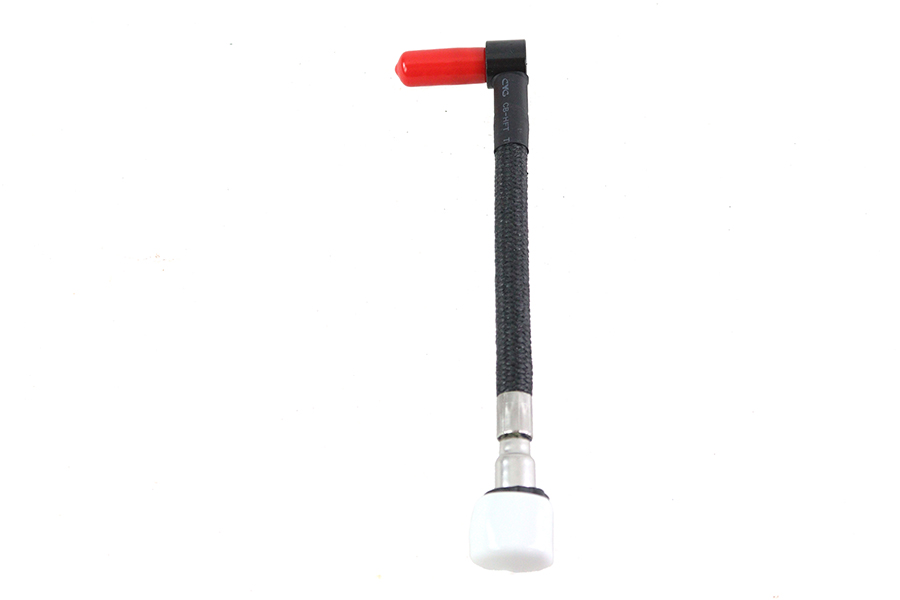
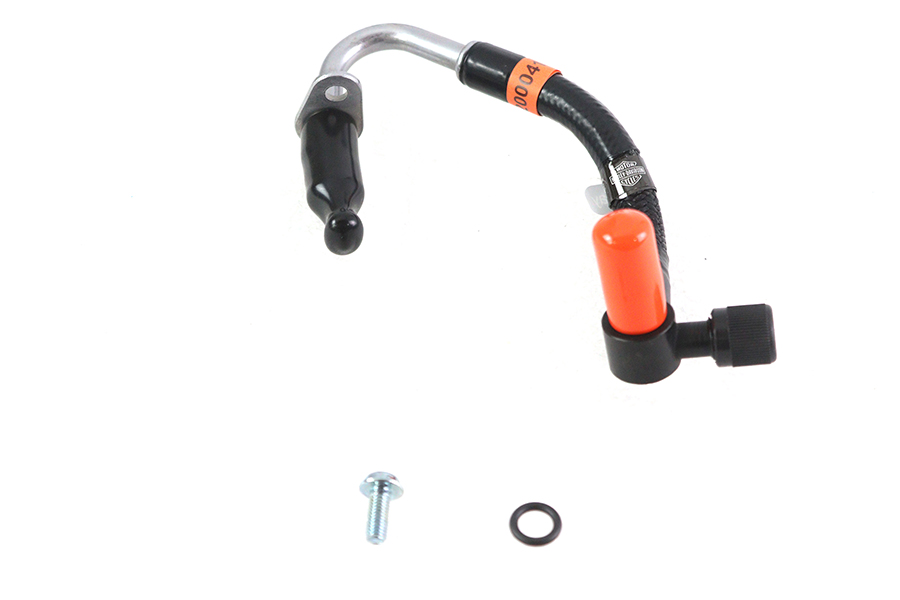
Check fitment for your own model and year before ordering — add your bike and we will flag what fits.
Other Harley how-to guides
This guide covers procedure and judgement. Torque figures, fluid capacities, gaps and tension settings are specific to your model and year and must come from the factory service manual for your motorcycle — we deliberately do not print numbers we cannot stand behind for your bike. Independent aftermarket retailer, not affiliated with Harley-Davidson, Inc.